10 Oct 2026
Austrian Licensing Mandates and Their Role in Shaping bwin User Fund Access Protocols
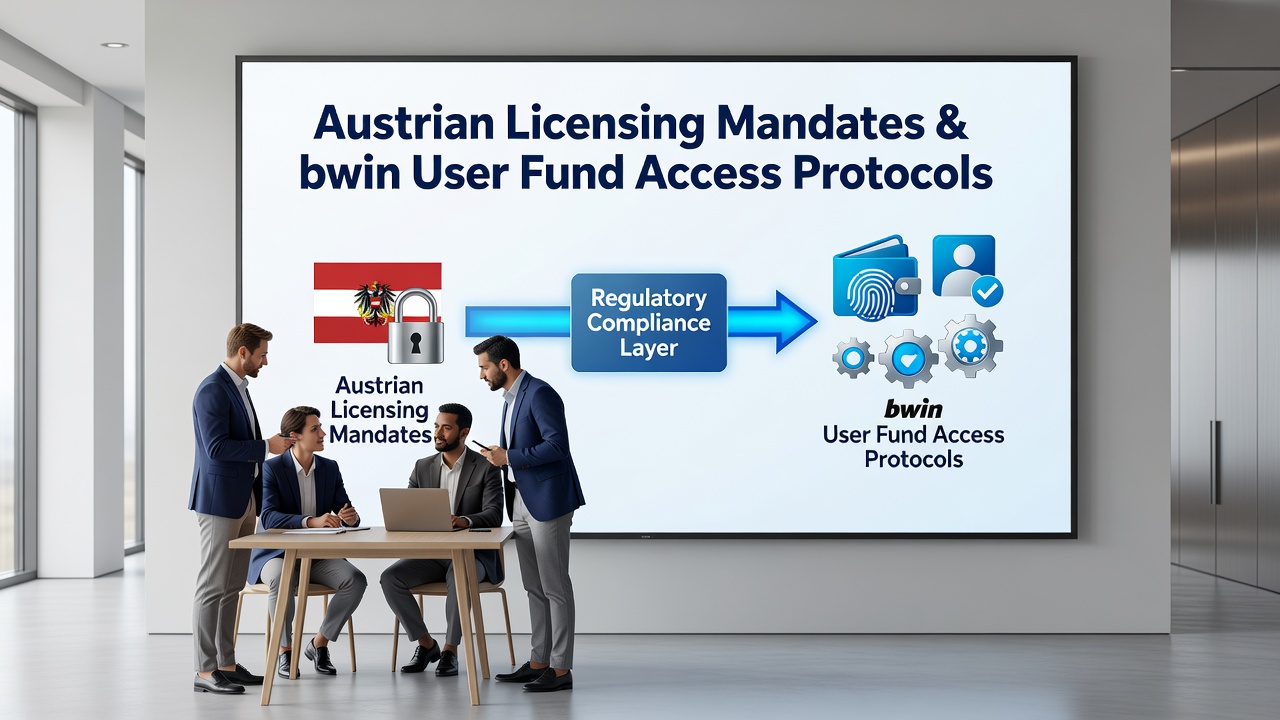
Austrian licensing mandates establish strict requirements for how operators handle user funds on platforms like bwin, with rules centered on account segregation, verification checkpoints, and withdrawal authorization sequences that licensed entities must follow to maintain compliance.
The Austrian Gaming Act sets the foundation for these protocols, requiring that all licensed betting services maintain separate accounts for player deposits while prohibiting commingling with operational capital, a structure that directly influences how bwin processes access requests for withdrawals and transfers.
Core Elements of Austrian Licensing Requirements
Operators receive authorization only after demonstrating systems capable of real-time monitoring of fund movements, including automated flags for unusual patterns that trigger additional review steps before funds become accessible to users.
These mandates emerged from updates to national gambling legislation that aligned domestic rules with broader European standards, adn data from regulatory filings shows that platforms must complete identity verification within specified timeframes before releasing any accumulated balances.
Verification and Access Sequencing
Bwin implements these requirements through multi-stage checks that combine document submission, address confirmation, and source-of-funds inquiries, each step building on the previous one to create a controlled pathway from deposit to withdrawal eligibility.
Researchers at European academic institutions have documented similar approaches across regulated markets, where the sequencing reduces discrepancies between reported balances and actual available amounts by enforcing consistent audit trails at every stage.
October 2026 marks the scheduled rollout of enhanced digital verification modules across Austrian-licensed platforms, which will integrate biometric elements into existing fund access procedures while preserving the core separation of player assets mandated by current licensing terms.
Impact on Transaction Flows at bwin
Fund access protocols at bwin reflect direct responses to licensing conditions that stipulate maximum processing windows for withdrawal approvals, along with requirements for maintaining sufficient reserves in segregated accounts to cover all outstanding user claims.
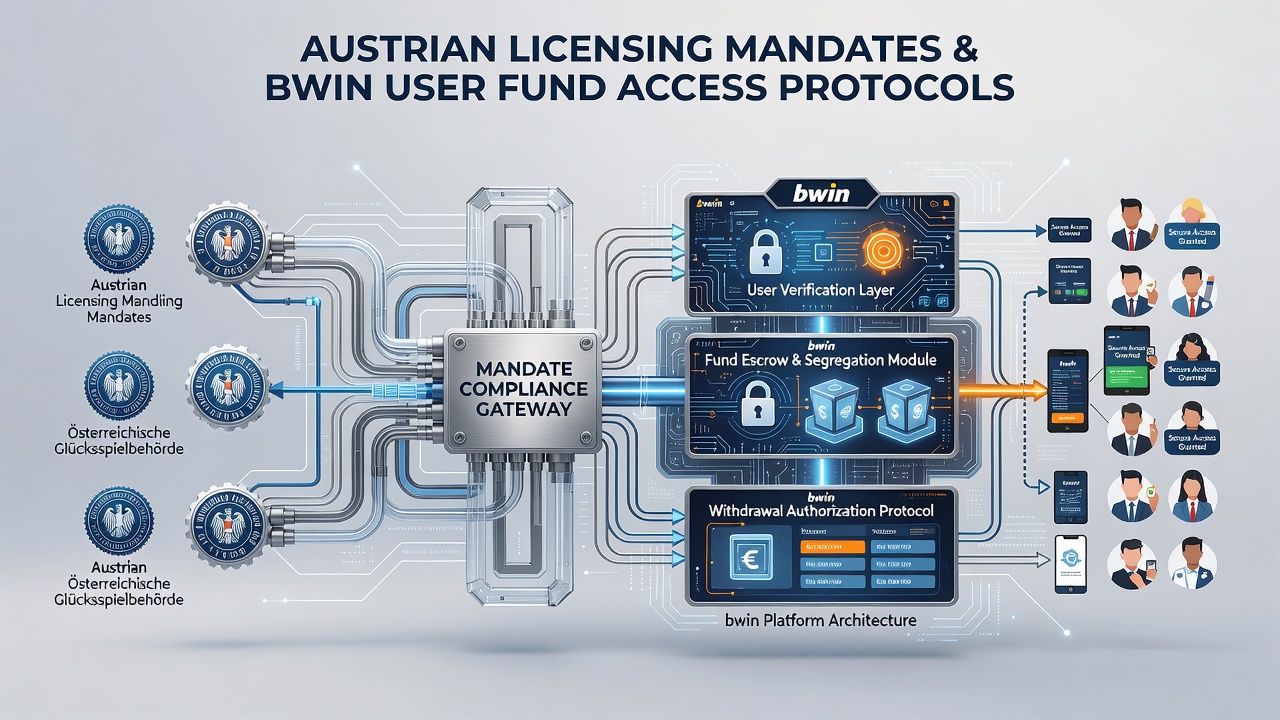
Industry reports from the European Commission gambling sector analysis indicate that such reserve obligations have led operators to adopt automated reconciliation tools that cross-reference user activity logs against licensing criteria on a daily basis.
Those who manage compliance at licensed sites note that these tools also generate periodic reports submitted to Austrian authorities, creating an additional layer of oversight that shapes how quickly individual users can complete fund access after initial verification succeeds.
Comparative Regulatory Approaches
Observers compare Austrian requirements with frameworks in other jurisdictions, such as those outlined in reports from the Canadian Department of Justice research series on online gambling controls, where similar emphasis appears on asset protection and staged access procedures.
Yet Austrian rules place particular weight on continuous compliance monitoring that extends through the entire lifecycle of a user account rather than applying only at initial registration or final payout stages.
Case examples from regulatory enforcement actions demonstrate how failures in fund segregation protocols have resulted in license reviews, prompting bwin and comparable operators to refine their internal checkpoints accordingly.
Future Developments and Implementation
Preparations for October 2026 involve testing of upgraded systems that will embed licensing mandate checks directly into transaction authorization layers, ensuring that fund access remains contingent on ongoing adherence to national standards throughout each session.
Figures from Austrian regulatory summaries reveal steady increases in the number of verified accounts on licensed platforms, correlating with the maturation of these access protocols and the corresponding reduction in processing disputes.
Conclusion
Austrian licensing mandates continue to define the operational boundaries within which bwin structures its user fund access mechanisms, producing standardized procedures that prioritize verification integrity and asset separation across all approved transactions.
These frameworks support consistent application of rules that govern how funds move from user control to platform handling and back again, with October 2026 positioned as a key milestone for further technical integration of existing requirements.