24 Oct 2026
Austrian Oversight Standards Shape Encryption Protocols for Session Data in Licensed Mobile Wagering Tools
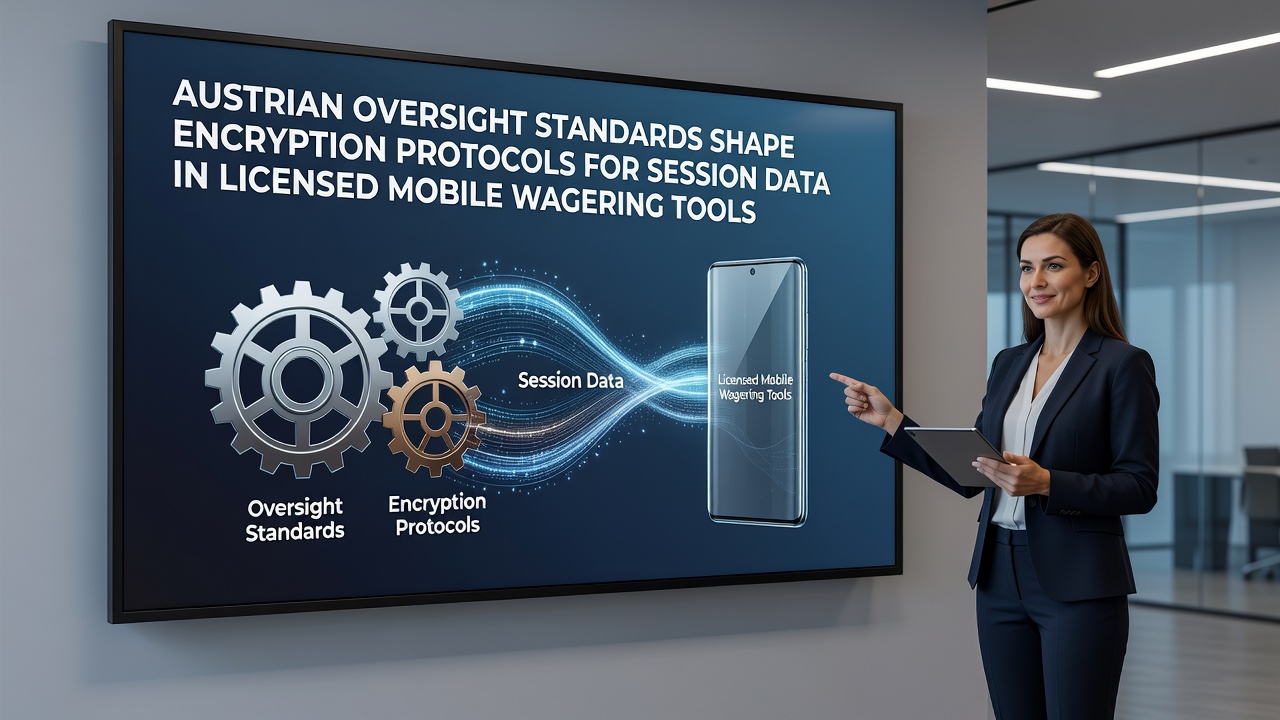
Regulatory frameworks in Austria have directed licensed operators toward specific encryption measures for handling session data in mobile wagering applications, with requirements that cover data transmission during active betting periods as well as storage of temporary user interactions. These standards emerged from coordination between financial authorities and data protection entities, creating protocols that licensed platforms must implement to maintain operational approval.
Core Requirements for Session Encryption
Licensed mobile tools transmit session information including bet placements, account balances, and user navigation patterns through channels protected by layered encryption methods, and observers note that Austrian mandates specify minimum key lengths alongside approved cipher suites that align with broader European data security benchmarks. Operators integrate these measures at the application level so that each active session generates unique encryption contexts rather than relying on static keys across multiple interactions.
Implementation Timelines and Updates
Platforms operating under Austrian licenses completed initial compliance adjustments by mid-2025, yet further refinements scheduled for October 2026 introduce mandatory rotation intervals for session keys and enhanced logging of encryption events without exposing plaintext session details. Data from regulatory filings indicate that these changes address vulnerabilities identified in earlier mobile transaction audits, where session replay attempts were tested against existing safeguards.
Industry reports show that Austrian-licensed applications now employ end-to-end encryption wrappers around session tokens, which prevents intermediary network points from accessing raw betting activity even when devices connect through public networks. This approach differs from earlier models that separated transport security from application-level protections, and researchers at institutions tracking European digital policy have documented how these combined layers reduce exposure windows during high-frequency betting sequences.

Technical Specifications and Protocol Choices
Encryption protocols selected under Austrian oversight favor combinations of AES-256 for data at rest within session caches and TLS 1.3 for real-time exchanges, while additional requirements call for perfect forward secrecy to ensure that compromise of long-term keys does not retroactively expose prior session contents. Operators document these choices in annual compliance submissions, and figures released by the European Union Agency for Cybersecurity highlight adoption rates of forward secrecy across regulated gambling sectors in multiple member states.
Session data handling also incorporates integrity checks through authenticated encryption modes, which verify that transmitted betting instructions remain unaltered during transit. Those who examine compliance documentation observe that Austrian standards require these checks to operate continuously rather than at session endpoints only, creating a continuous validation chain that licensed tools must demonstrate during audits.
Comparative Approaches Across Jurisdictions
While Austrian rules emphasize integration of encryption with real-time session management, other regions have pursued parallel but distinct paths, and one study from the International Center for Responsible Gaming compared protocol implementations in European and North American markets to illustrate how local licensing conditions influence technical outcomes. Austrian operators, for instance, face explicit prohibitions on certain legacy cipher options that remain permissible elsewhere, which forces mobile wagering applications to maintain updated cryptographic libraries as a condition of license renewal.
Session data captured during wagering includes timestamps, stake amounts, and outcome determinations, all of which receive encryption treatment before storage or transmission to central servers. Compliance teams at licensed entities conduct periodic penetration testing focused specifically on these data flows, and results feed into reports submitted to oversight bodies that track adherence to encryption timelines.
Conclusion
Austrian oversight continues to refine encryption expectations for session data as mobile wagering tools evolve, with upcoming October 2026 milestones requiring expanded audit trails for key management events. Licensed platforms maintain these protocols through ongoing technical updates that align operational practices with regulatory directives, and available data indicate consistent application of the specified standards across approved applications.