20 Aug 2026
Decoding Algorithmic Verification Protocols Behind Player Fund Movements in Austrian Betting Platforms

Austrian betting platforms rely on layered algorithmic verification protocols to process player fund movements while meeting strict regulatory standards set by national authorities and aligned with broader European frameworks, and these systems combine real-time data analysis with multi-factor authentication steps that confirm transaction legitimacy before any funds transfer occurs.
Core Elements of Verification Architecture
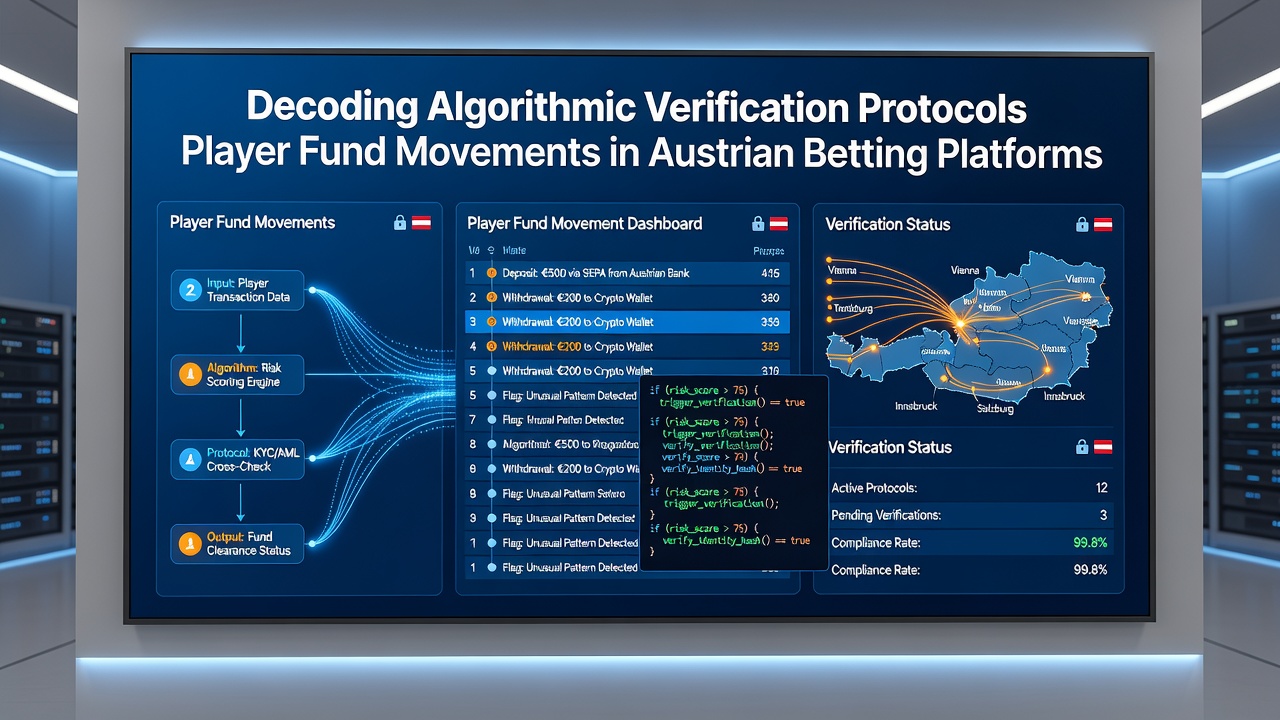
Algorithmic protocols in these platforms integrate identity confirmation modules that cross-reference user data against official registries, and they apply pattern recognition techniques to flag unusual activity such as rapid deposit sequences or mismatched geographic signals; researchers at institutions across the EU have documented how these components reduce error rates in fund routing while maintaining compliance with the Austrian Gaming Act.
Data flows through encrypted channels where machine learning models evaluate risk scores based on historical behavior, transaction volume, and device fingerprints, yet the process remains transparent enough for regulatory audits that occur at scheduled intervals throughout the year.
Transaction Monitoring and Real-Time Checks
Fund movements trigger automated sequences that begin with balance validation against player accounts, and then proceed to cross-checks with external payment processors to confirm source legitimacy before releasing withdrawals or accepting deposits, while algorithms also incorporate velocity limits that cap daily transfers according to player profiles established during onboarding.
According to reports from the European Commission, similar verification layers appear in multiple member states where they help synchronize national rules with cross-border payment directives, and Austrian operators have adapted these models to handle both fiat and emerging digital currency flows.
Observers note that the middle layer often involves anomaly detection engines trained on anonymized datasets, and these engines update their parameters monthly to reflect shifts in user patterns observed across the platform network.
Regulatory Updates and August 2026 Developments
By August 2026 Austrian platforms are scheduled to incorporate enhanced biometric verification layers into existing protocols, and these additions will require algorithms to match live facial scans against stored identity records before authorizing high-value fund movements; the change stems from amendments discussed in parliamentary sessions earlier this decade.
Studies from the Australian Gambling Research Centre indicate that comparable biometric integrations elsewhere have shortened verification times without increasing false positives, and Austrian operators are reviewing those findings to calibrate their own systems accordingly.
Security Measures in Fund Routing
Secure hashing techniques protect stored financial details while algorithmic gateways route approved transactions through segregated accounts that prevent commingling of player and operator funds, and this separation satisfies audit requirements issued by the Austrian Ministry of Finance.
Multi-signature approvals activate for amounts exceeding preset thresholds, and the system logs every decision point so that compliance teams can reconstruct sequences during periodic reviews without disrupting ongoing operations.
Integration with Payment Providers
Platforms connect to licensed payment gateways through standardized APIs that carry verification tokens generated by the core algorithms, and these tokens encapsulate risk assessments so providers can decide whether to proceed with settlement; data shows this approach cuts processing delays while preserving security standards.
Those who have examined transaction logs across several Austrian sites report that the majority of fund movements complete within seconds once initial checks pass, although edge cases involving international transfers may extend the timeline due to additional currency conversion verifications.
Conclusion
Algorithmic verification protocols continue to evolve in Austrian betting platforms as operators balance speed, security, and regulatory demands, and the scheduled enhancements for August 2026 reflect ongoing efforts to align local systems with emerging technological and legal expectations across Europe.