25 Aug 2026
Following the Trail of Funds in Mobile Betting Sessions Across Regulated Austrian Platforms
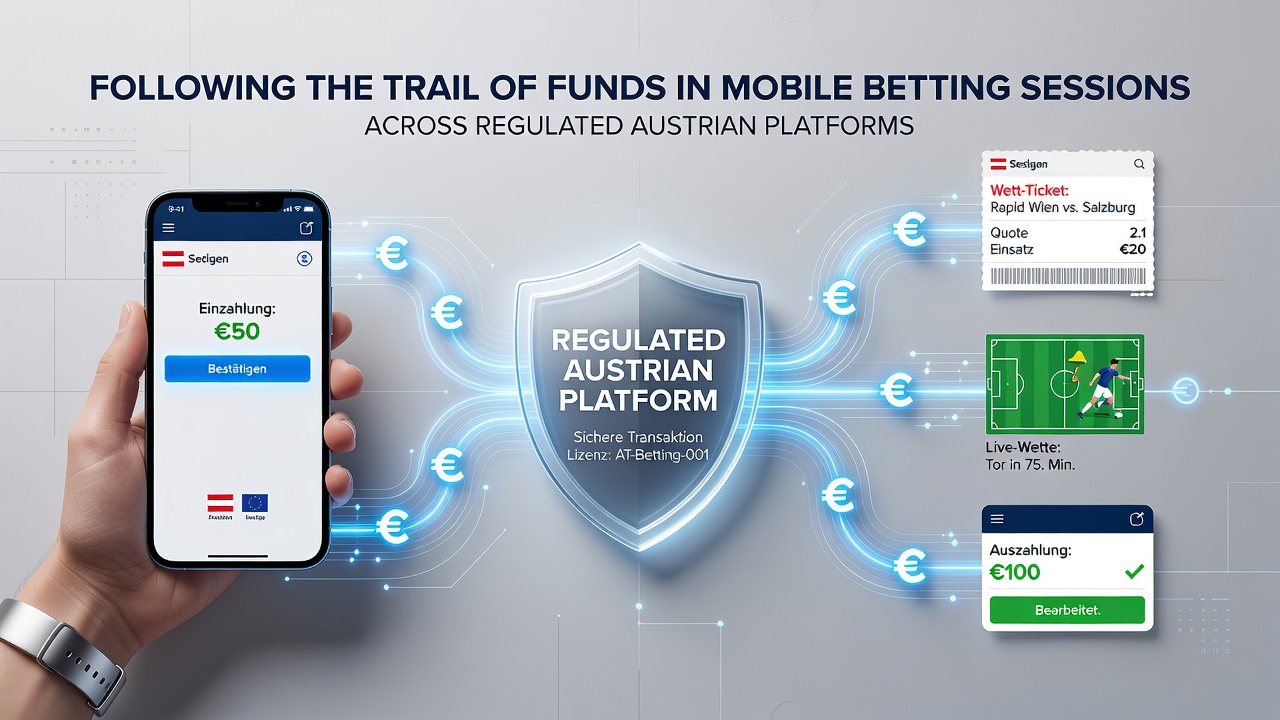
Regulated Austrian platforms handle mobile betting sessions through tightly controlled payment systems that record every fund movement from deposit to withdrawal, and operators maintain detailed logs that comply with national gambling legislation. When users fund their accounts via smartphone apps, the money passes through licensed payment processors before reaching operator-controlled ledgers, while real-time monitoring flags any unusual patterns that could indicate money laundering or other violations. These procedures became even more stringent after August 2026 when updated reporting standards required platforms to submit transaction summaries to oversight bodies within shorter timeframes.
Deposit and Account Funding Mechanisms
Players start a session by selecting a deposit option inside the mobile app, and the chosen method determines how quickly funds appear in the betting wallet along with the level of traceability attached to each transfer. Bank transfers and e-wallets generate unique reference numbers that link directly to the player's verified identity, whereas card payments create authorization codes stored alongside session timestamps. Research indicates that Austrian operators must retain these records for at least five years, allowing authorities to reconstruct complete financial paths whenever audits occur.
Once the deposit clears, the platform credits the account and simultaneously creates an immutable entry in its central database, and this entry includes the source account details, amount, and currency conversion rate if applicable. Multiple small deposits within a short window trigger automated alerts because regulators view rapid funding sequences as potential risk indicators. Observers note that such alerts feed into broader compliance dashboards used by both the operator and external monitors.
Betting Activity and Internal Fund Allocation
During active betting, the system deducts stakes from the player's balance and records each wager against specific game identifiers, while winnings return to the same balance under separate credit lines that distinguish between deposited funds and prize money. This separation matters during later withdrawals because tax rules and payout limits often apply differently to each category. Data from industry reports shows that mobile sessions generate higher volumes of micro-transactions compared with desktop play, which increases the number of individual ledger entries that compliance teams must review.
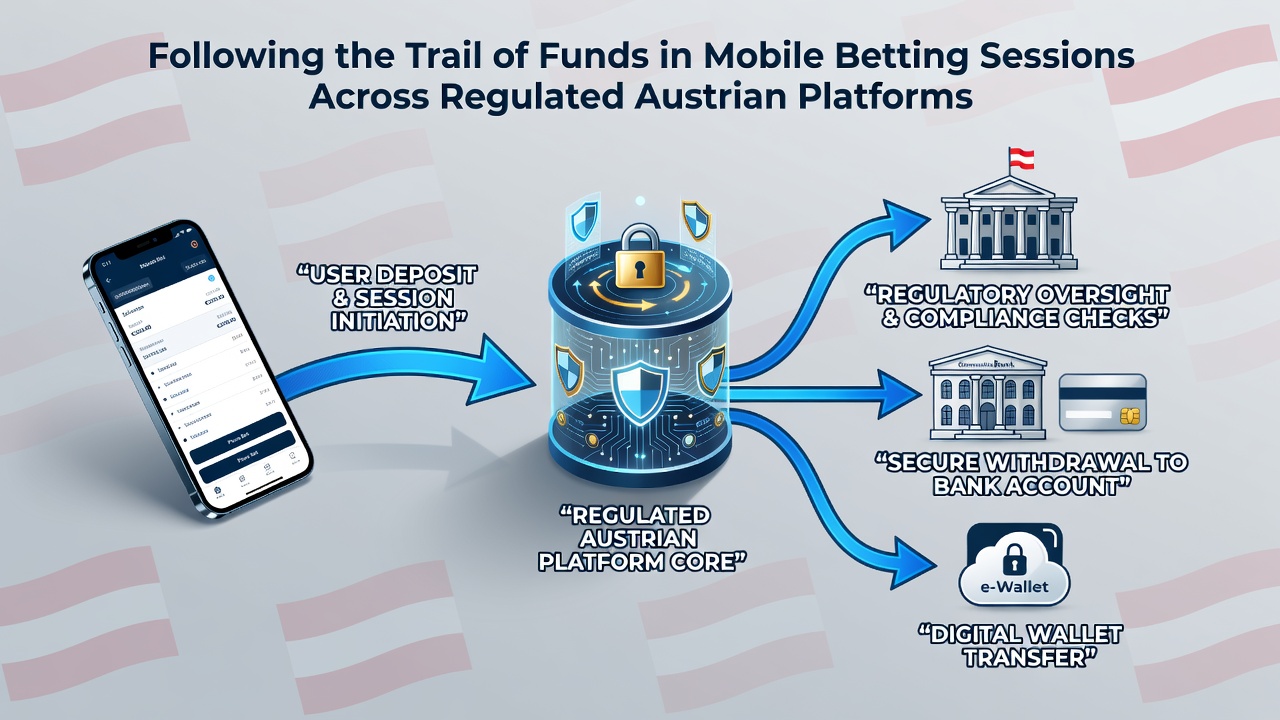
Every bet also updates a running session log that timestamps the action and links it to the player's device fingerprint, and these logs help investigators determine whether funds moved through automated scripts or genuine user decisions. When a player places repeated bets across different game categories, the trail branches but remains connected through a single session identifier. Experts have observed that this branching pattern allows analysts to map risk exposure across product lines without losing sight of the original deposit source.
Withdrawal Requests and Verification Steps
Withdrawal requests initiate the final stage of fund tracing, and platforms first compare the requested amount against verified deposits and declared winnings before approving any transfer. Identity checks performed at this point cross-reference the original deposit accounts with the destination bank details, and mismatches prompt additional documentation requests. According to figures published by the European Commission on online gambling markets, Austrian operators processed withdrawal volumes that grew steadily through 2025 and into 2026, reflecting broader adoption of mobile betting.
Once approved, the platform issues a payout instruction that carries the same reference codes used during deposit, and this continuity enables regulators to confirm that withdrawn sums match the net position recorded throughout the session. Payment processors return confirmation files that close the transaction loop, while any returned funds due to incorrect details trigger fresh verification cycles. Those who've examined these systems report that the closed-loop design reduces opportunities for funds to exit the regulated environment undetected.
Regulatory Oversight and Data Sharing Practices
Austrian authorities require operators to transmit aggregated transaction data at regular intervals, and the August 2026 rule changes shortened the submission window from monthly to bi-weekly reports for high-volume platforms. These reports include anonymized summaries of deposit-to-withdrawal ratios along with flags for accounts that show rapid fund cycling. Collaboration between the national gambling supervisory body and financial intelligence units ensures that suspicious trails receive prompt attention, while routine audits sample individual player histories to test system accuracy.
Industry associations such as the European Gaming and Betting Association have published guidelines that help operators standardize their internal tracking formats, and these formats facilitate cross-border data requests when players move between EU jurisdictions. University-led studies on European gambling flows have documented how consistent record-keeping improves detection rates for illicit finance without slowing legitimate player activity. The result is a framework in which every mobile betting session leaves a verifiable path that regulators can follow from start to finish.
Conclusion
Tracing funds across regulated Austrian mobile betting platforms relies on layered logging, identity verification, and scheduled regulatory reporting that together create transparent financial pathways. The procedures in place since August 2026 have reinforced these controls by tightening submission deadlines and expanding automated monitoring. Observers continue to track how these systems evolve in response to new payment technologies while maintaining the core requirement that every euro deposited can be followed through to its eventual withdrawal or loss.