26 Sep 2026
Inside Regulatory Layers: How Austrian Licensing Shapes Real-Time Transaction Flows and Reward Redemptions Within Mobile Betting Applications

Austrian licensing requirements establish strict parameters for how mobile betting platforms handle instantaneous fund movements and the subsequent release of promotional rewards to users across the country. These rules derive from national gambling statutes that mandate continuous monitoring of every transaction sequence, and operators must integrate automated verification layers that align with license conditions before any funds transfer occurs in real time. Data from regulatory filings shows that licensed entities route player balances through segregated accounts where each bet, win, or redemption triggers an immediate compliance check against predefined thresholds.
Core Licensing Provisions Governing Transaction Architecture
Under the Glücksspielgesetz framework, Austrian authorities require betting applications to maintain synchronized ledgers that record every action within milliseconds of initiation, and this architecture prevents unauthorized alterations while ensuring that reward redemptions follow the same audit trail as standard deposits or withdrawals. License holders integrate application programming interfaces that connect directly to central oversight systems, allowing regulators to observe live flows without interrupting user sessions. Observers note that such integration creates a continuous data stream where each redemption request undergoes validation against player history, deposit patterns, and bonus eligibility criteria before processing completes.
Platforms operating under current Austrian licenses must also embed time-stamped logging protocols that capture the precise moment a reward becomes available for redemption, and these logs feed into periodic reports submitted to the Ministry of Finance. Research from European regulatory bodies indicates that similar structures in neighboring jurisdictions have reduced discrepancies in player fund movements by measurable percentages since their adoption, and Austrian implementations build on those precedents with additional real-time constraints. One study from an academic research institution in Canada examined cross-border data flows and found that licensed operators using mandatory logging experienced fewer delays during peak betting periods compared to unregulated environments.
Mechanics of Real-Time Fund Movements Under License Conditions
Mobile betting sessions generate sequences of micro-transactions that Austrian rules treat as distinct events requiring individual verification, and operators deploy algorithmic filters that flag any deviation from expected patterns before funds advance further through the system. When a user places a wager, the application pauses briefly to confirm account status against license-mandated risk parameters, then either proceeds or routes the attempt to a review queue. This process repeats for every subsequent action, including the conversion of accumulated rewards into withdrawable balances. Figures from industry reports compiled by gaming associations reveal that average processing intervals for compliant redemptions in Austrian-licensed apps fall within narrow windows measured in seconds rather than minutes.
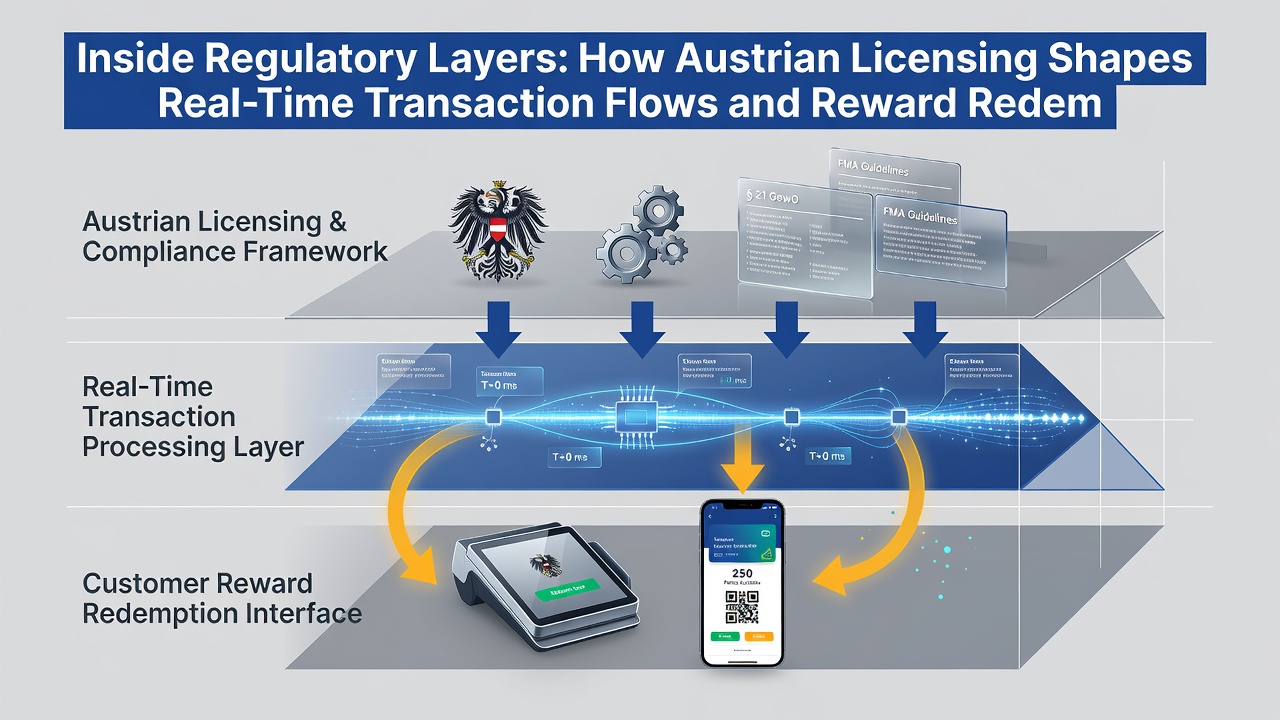
Yet the same protocols apply additional scrutiny when rewards originate from promotional campaigns tied to specific deposit volumes or activity milestones. License conditions stipulate that such rewards cannot bypass the standard transaction pipeline, and applications must enforce sequential checks that verify the originating promotion remains active and unexpired at the moment of redemption. Experts have observed that this layered approach minimizes instances where ineligible users access funds prematurely, and it maintains consistency across all real-time interactions within the application environment.
September 2026 Compliance Adjustments and Their Transaction Implications
Beginning in September 2026, updated Austrian licensing directives introduce enhanced encryption standards for transaction data streams alongside expanded reporting intervals for reward redemptions, and operators have already begun testing upgraded modules that accommodate these changes without altering user-facing speeds. The revisions require applications to transmit aggregated flow summaries at shorter intervals while preserving the millisecond-level granularity for individual events, and this dual requirement tests the scalability of existing infrastructure. Those who have reviewed preliminary compliance documents note that the changes align Austrian practices more closely with evolving European Union digital finance guidelines, although national authorities retain primary enforcement authority.
Applications that fail to meet the September 2026 benchmarks face license suspension risks, which in turn affects the continuity of live transaction processing for their user bases. Data collected during pilot phases indicates that platforms incorporating adaptive verification routines experience smoother transitions when new logging frequencies activate, and these routines automatically adjust queue priorities based on redemption volume at any given moment.
Conclusion
Austrian licensing continues to define the operational boundaries within which mobile betting applications manage real-time transactions and reward redemptions, and the framework evolves through periodic regulatory updates such as those scheduled for September 2026. Licensed operators implement layered verification systems that record, validate, and log every movement according to statutory requirements, while external analyses from sources including the European Commission digital market reports and studies issued by the Canadian Radio-television and Telecommunications Commission provide comparative context on similar regulatory models elsewhere. These structures ensure that fund flows remain transparent and auditable at every stage without interrupting the core functionality of the applications themselves.